
12/11/2026 - Press release
Study published in The New England Journal of Medicine
Implanting antibiotics directly where bone infections are treated in the operating room achieves, in just six days, the same effects as the usual systemic approach with antibiotics administered by injection or orally, a type of treatment lasting between six and twelve weeks. It does so without compromising the patient's recovery and with fewer side effects. This is demonstrated by the results of the international SOLARIO (Short or long antibiotic regimes in orthopaedics) study, which has just been published by the journal The New England Journal of Medicine. The study was led by Oxford University Hospitals, with 25 centres from the United Kingdom, Germany, Austria, Portugal and Spain taking part. Hospital del Mar is the only centre in Spain to have participated.
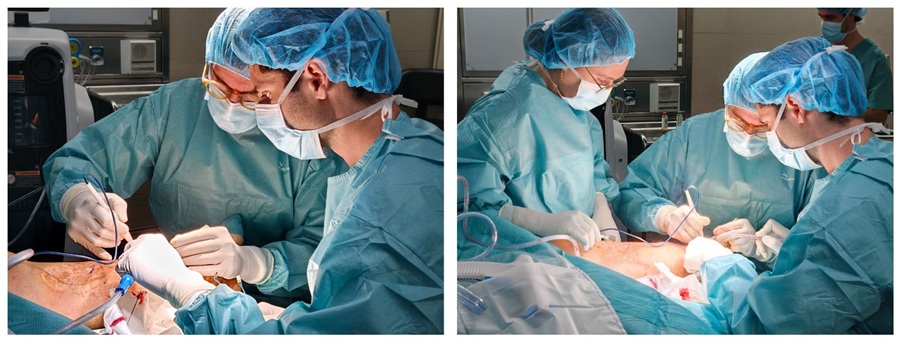
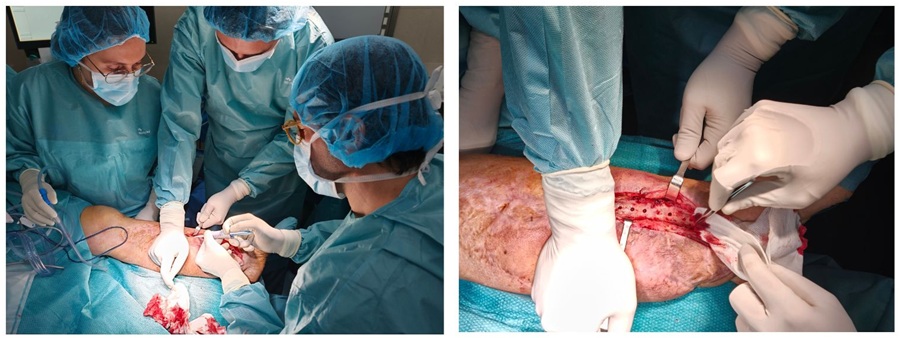
Between 3% and 10% of prosthetic and fracture surgeries can become infected. The usual treatment approach consists of removing the part of the bone affected by the infection, replacing it, and keeping the patient in hospital for two weeks while receiving intravenous antibiotic treatment to combat the bacteria responsible for the infection. Once discharged, the patient still has to receive antibiotic treatment for nearly three months to ensure that the infection is fully cured. However, antibiotic treatment can now be reduced by implanting a bone substitute containing a specific antibiotic during surgery, allowing the drug to reach the site of the infection directly.
To verify this, the research team analysed the results of nearly 500 patients who underwent surgery between February 2019 and August 2023 at the participating centres. The patients were randomly assigned to one of the two treatments and followed for one year. The result was that only 11% of patients treated with local antibiotics did not achieve a cure, compared with 14% in the group receiving the usual treatment, a difference that confirms that the local approach is not inferior and is accompanied by an additional benefit. Side effects were reduced from 45% to 17%, also reducing hospital stays.
“This approach has been shown to be exactly the same in terms of healing, with a clear reduction in side effects, as well as reducing hospitalisation and the need for patient follow-up”, explains Dr Daniel Pérez Prieto, Head of the Orthopaedic Surgery and Traumatology Department at Hospital del Mar, researcher at the Hospital del Mar Research Institute and co-author of the study. “With localised antibiotics, where the infection is located, very high concentrations of the drug can be achieved, which cannot be obtained with conventional treatment without causing very serious effects”, he adds.
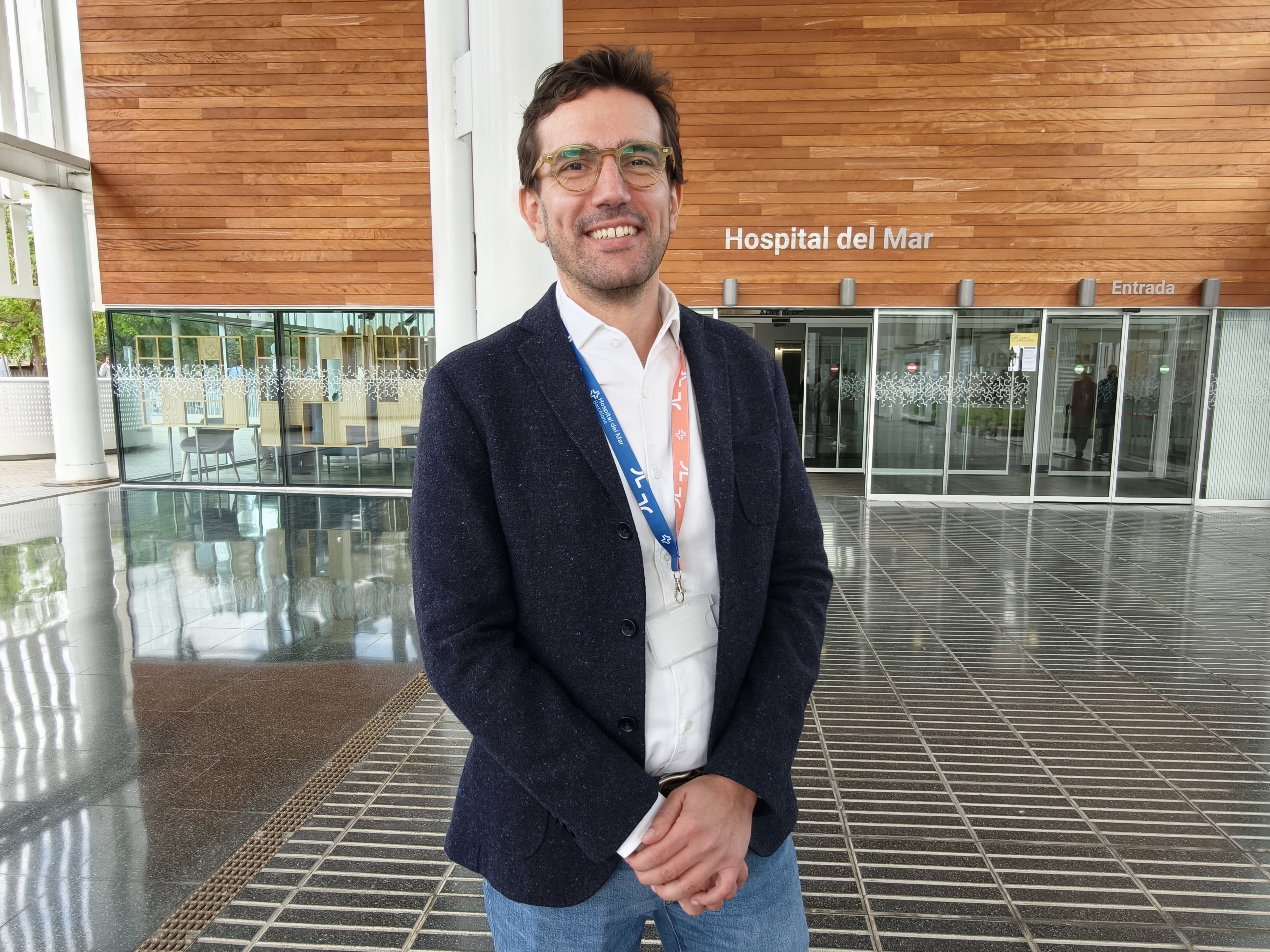
Dr Daniel Pérez Prieto
The use of local antibiotics reduces the patient's hospital stay after surgery from fifteen days to just seven, as there is no need to administer antibiotics intravenously. Nor is it necessary to continue oral treatment until the study results are available, which can take up to three months, or to carry out exhaustive follow-up to monitor the patient's progress and possible side effects. In fact, this approach has demonstrated a significant reduction in adverse effects resulting from antibiotic use. These occurred in 45% of cases treated with intravenous and oral antibiotics, compared with just 17% with local antibiotics. At the same time, the duration of treatment was only six days, compared with 42 days for the usual approach, and the hospital stay was reduced from fifteen to twelve days on average.
The results support changes to protocols to prioritise the use of local antibiotics in these cases. In this regard, Dr Pérez Prieto points out that “our data support modifying protocols when treating these patients, giving priority to the use of bone substitutes with local antibiotics”. At the same time, they may contribute to better management of antibiotic drugs and to the fight against bacterial resistance to treatments, while improving the patient experience.
At the same time, the study also has direct implications for the responsible use of antibiotics, one of the priority areas of the World Health Organization in the fight against antimicrobial resistance. Reducing the duration of treatments, limiting the spectrum of the antibiotic used and ensuring that the drug reaches exactly where it is needed, at the appropriate dose, are some of the measures that the WHO identifies as key to preventing the emergence of resistant bacteria. In this regard, the local antibiotic approach meets these objectives. By drastically reducing the total amount of systemic antibiotics administered, it also reduces the environmental impact associated with their production, use and disposal. It should be remembered that pharmaceutical residues and the presence of antibiotics in water and soil are precisely among the factors contributing to the emergence of resistance outside the hospital setting. Reducing systemic treatment from six weeks to six days means that, for every 100 patients treated, a saving of approximately 6.4 kilograms of antibiotics is achieved, meaning they are no longer administered, produced or ultimately released into the environment.
Reference article
McNally M, Dudareva M, Kümin M, Vach W, Scarborough CL, Cichero MJ, Sousa R, Ferguson J, Stubbs DA, Atkins BL, Ramsden AJ, Young BC, Carvalho AD, Kendal AR, Alvand A, Palmer AJR, Loizou CL, Kendrick B, Taylor AH, Islam A, Riste MJ, Pillai A, Sharma SK, Folb J, Jacobs N, Ellis SC, Ng ABY, Perez-Prieto D, Sigmund IK, Windhager R, Iliadis AD, Bing AJF, Wynn Jones H, Williams J, Ollivere BJ, Alt V, Warren S, Jenkins NE, Leithner A, Hughes HC, Jones SA, Williams OM, Scarborough M. Short or Long Antibiotic Regimens in Orthopedics. N Engl J Med. 2026 Sep 16. doi: 10.1056/NEJMoa2506756. Epub ahead of print. PMID: 42748421.
Servei de Comunicació:
Marta Calsina(ELIMINAR)
Tel:
(+34) 93 316 06 80
Doctor Aiguader, 88
08226 Barcelona
© Institut Hospital del Mar
d'Investigacions MèdiquesLegal Notice and Privacy Policy | Cookie Policy | Site Index | Accessibility | Find Us | Contact
