
10/03/2026 - Press release
A team led by researchers from the Hospital del Mar Research Institute (HMRIB) and the Pathology Department at Hospital del Mar has identified a mechanism that may explain how colorectal cancer develops liver metastases. The results, published in Nature Communications, reveal the unexpected role of the protein IKKα in the process that allows tumor cells to cluster, migrate, and re-establish tumors at distant sites.
The study shows that successful migration of colorectal tumors to the liver depends on the ability of tumor cells to cluster in order to survive the dissemination process. When circulating individually, tumor cells that reach the bloodstream are eliminated by the immune system. This is where IKKα plays a key role. In its absence, tumor cells are able to cluster and survive migration. "When IKKα is absent, these cell-cell interactions become stronger and the cells form much more efficient clusters for generating metastases," explains Dr. Lluís Espinosa, senior author of the study and Group Leader of the Molecular Mechanisms of Cancer and Stemness Research Group at HMRIB.
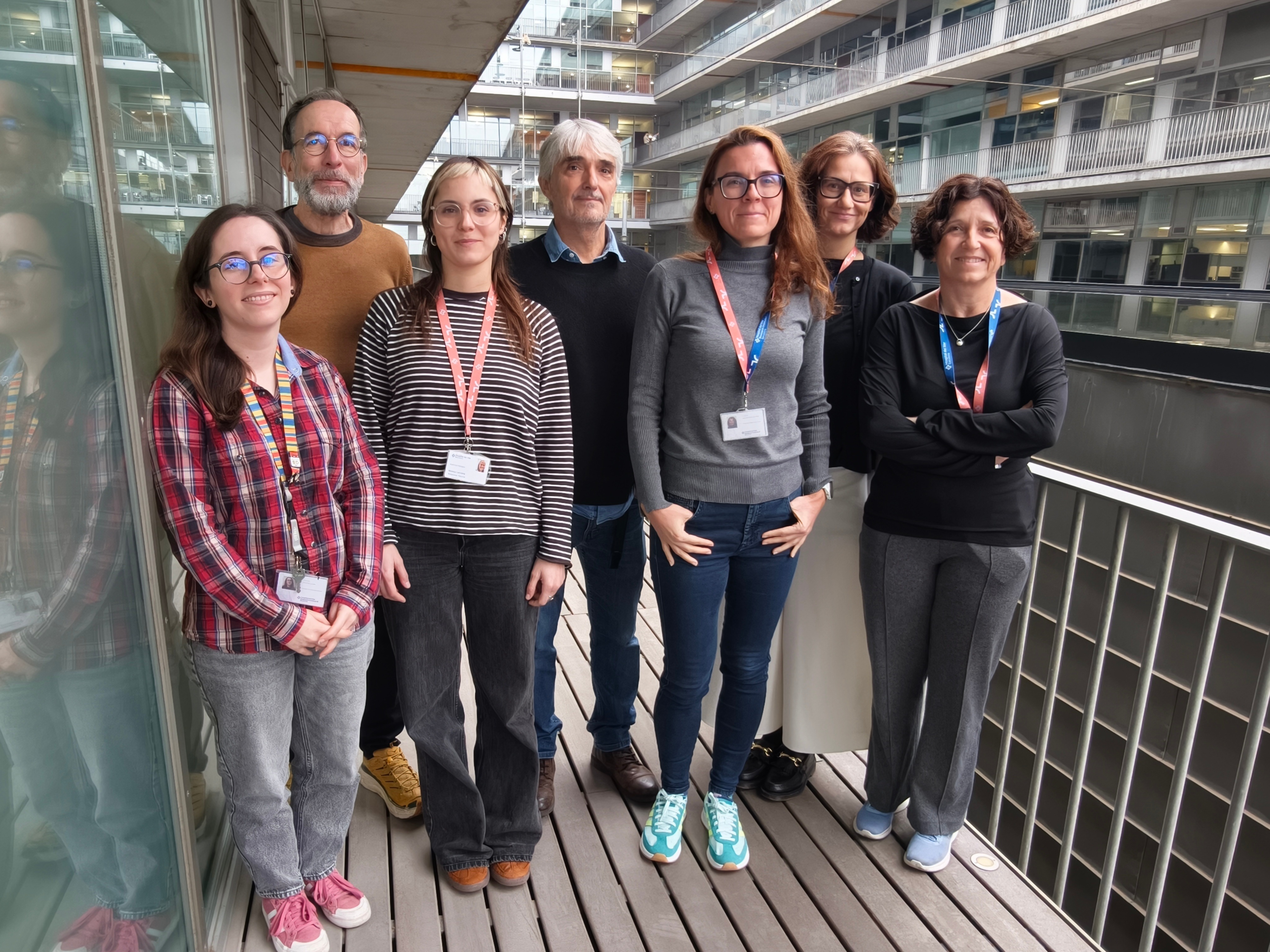
The study team
A potential new prognostic factor
The study was conducted using organoids derived from colorectal cancer patient cells in which the IKKα kinase had been removed. Subsequently, in preclinical mouse models, the researchers demonstrated that "there is a specific subpopulation of tumor cells, characterized by particularly robust cell junctions, that is responsible for generating liver metastases," notes Dr. Espinosa. This cell population was clearly enriched in the absence of IKKα, which explains why tumors deficient in this protein exhibited greater metastatic capacity. Paradoxically, although this protein had previously been described as a tumor promoter in other contexts, the new study reveals that it may also act as a metastasis suppressor in colorectal cancer.
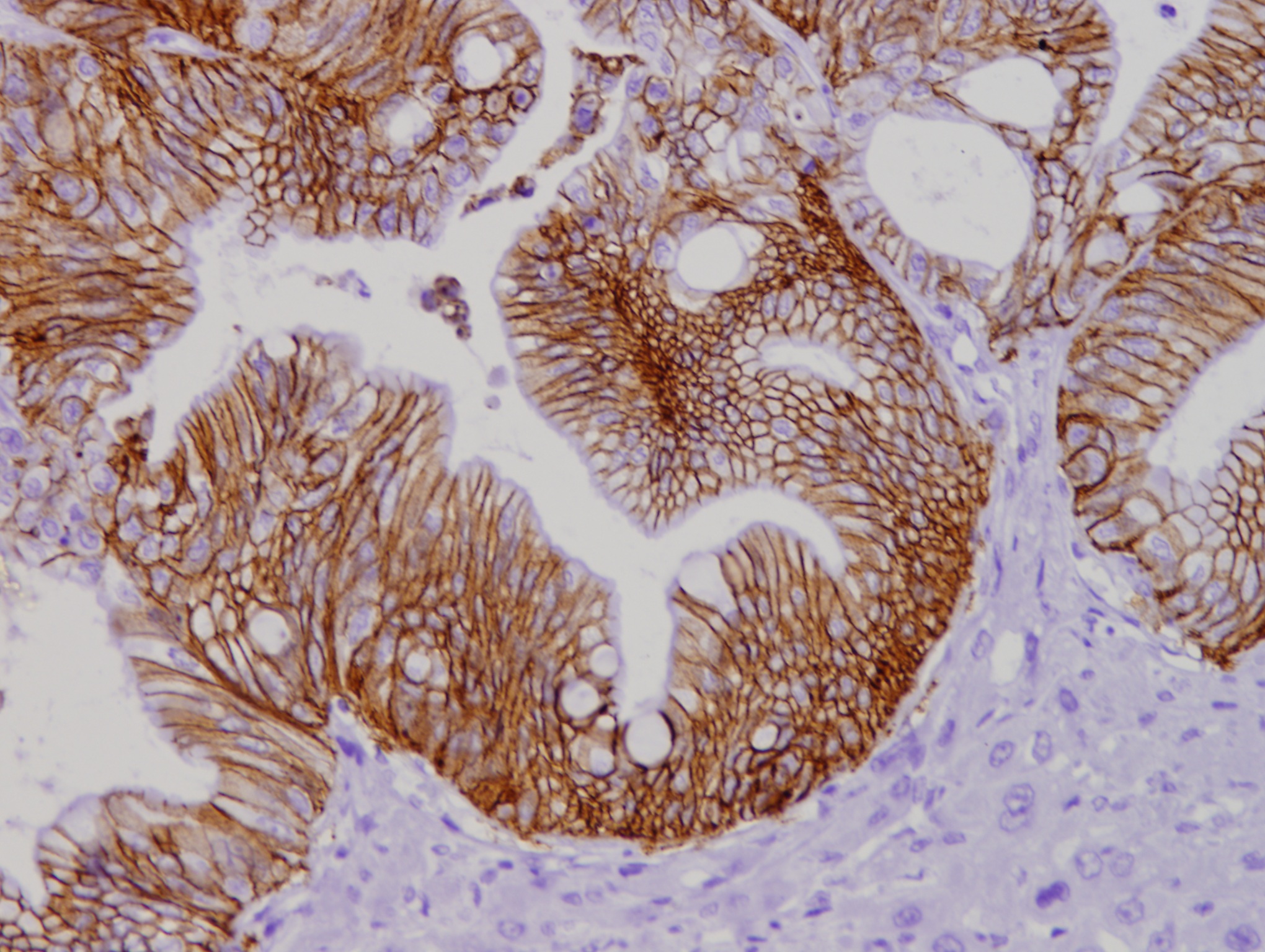
The researchers also showed that inhibiting certain proteins involved in these cell junctions, such as claudin-2, significantly reduces the tumor cells' ability to produce metastases.
The work is now continuing with patient samples, where the team aims to replicate the results obtained. The researchers hope that their findings will lead in the near future to prognostic markers for colorectal cancer patients and potentially to new approaches to treat metastasis. "We hope that our results will help identify patients at higher risk of developing metastases and, eventually, open the door to new therapeutic strategies aimed at preventing them," explains Lluís Espinosa.
The study involved collaboration with the Bellvitge Biomedical Research Institute (IDIBELL), University College Dublin (Ireland), and researchers from the CIBER Cancer Area (CIBERONC).
Reference article
Alvarez-Villanueva D, Maqueda M, Harti D, Canton E, Andrades E, Bertran J, Martínez-Iniesta M, Solé L, García-Hernández V, Montoto Á, Lobo-Jarne T, Alonso-Marañón J, Herrero-Molinero P, Larrubia-Loring M, Tramuns A, Wynne K, Bera I, Matallanas D, Villanueva A, Bigas A, Iglesias M, Espinosa L. Tight junction-high and CDH17-positive cell population is the source of colorectal cancer liver metastases. Nat Commun. 2026 Jan 3;17(1):1425. doi: 10.1038/s41467-025-68169-3. PMID: 41484106; PMCID: PMC12881549.
Servei de Comunicació:
Marta Calsina(ELIMINAR)
Tel:
(+34) 93 316 06 80
Doctor Aiguader, 88
08226 Barcelona
© Institut Hospital del Mar
d'Investigacions MèdiquesLegal Notice and Privacy Policy | Cookie Policy | Site Index | Accessibility | Find Us | Contact